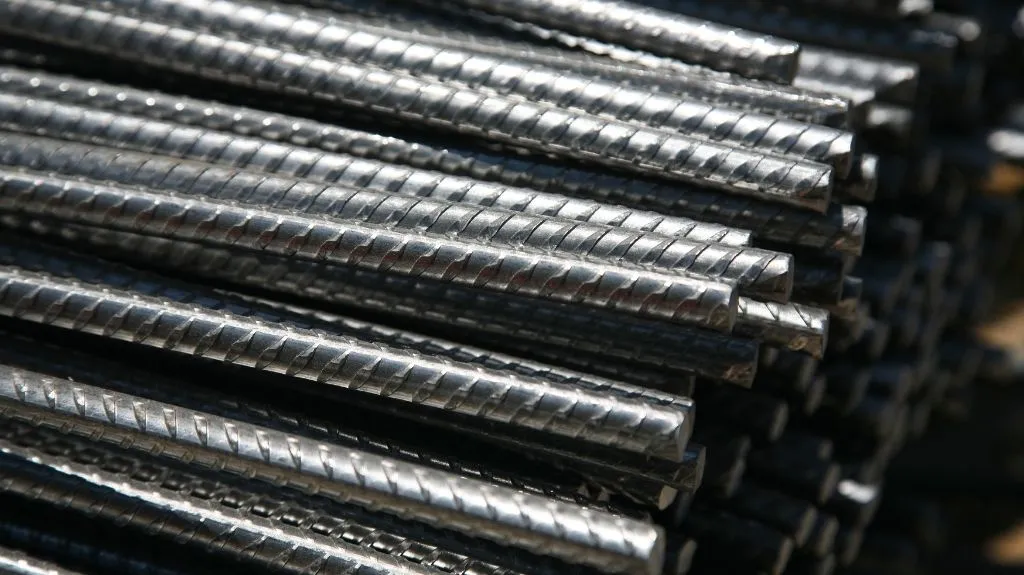
There are many factors to consider when you partner with a custom metal fabricator to produce a product. You need to consider the types of metals and materials you want to use — steel, aluminum, copper, or other materials. You need to consider the finishing options for your custom metal fabrication project. The answers to these questions, and many more, will have a significant impact on the costs of the end product.
When you dive deeper into the world of custom metal fabrication and the design process, you may find that steel is the right choice for your fabrication project — but what are the best types of steel for custom metal fabrication? Is it stainless steel? Standard carbon steel? Or maybe alloy steel? We hope that this overview will help you determine the best choice for your custom metal fabrication project.
4 Types of Steel for Custom Metal Fabrication
Steel is a strong, cost-effective option for custom metal fabrication — but many metal fabrication customers may not realize that there are different types of steel that can be used. There are four primary types of steel that are used in metal fabrication — mild carbon steel, stainless steel, alloy steel, and tool steel. Each type of steel has its own pros and cons for custom metal fabrication that impact best use cases, weldability, rust resistance, and material costs.
Here is a deeper look at each type of steel, its best use cases, its estimated costs, and more:
| Type of Steel | Popular Grades | Weldability | Rust Resistance | Estimated Material Cost (Per Pound) |
|---|---|---|---|---|
| Mild Carbon | A36, 1018, A500 | Excellent | Low – Improved Rust Resistance with Coating | $0.55 – $1.15 |
| Stainless | 304, 316, 430 | Good | High to Excellent | $1.45 – $2.60 |
| Alloy | 4140, 4340 | Moderate (Needs pre/post heat) | Low | $1.20 – $2.25 |
| Tool Steel | D2, O1, A2 | Poor | Low to Moderate | $3.50 – $7.00+ |
1. Mild Carbon Steel
Mild carbon steel is the most common material used in custom metal fabrication and the most cost effective. Made of iron and carbon, mild steel is easy to cut, weld, and form — making it ideal for steel structural components, like metal frames, trailer components, basic automotive components, heavy machinery framework, and more. The most common and popular variants of carbon steel are A36, 1018, and A500. The primary drawback of mild carbon steel is that it is prone to rust without protective paint or powder coatings.
2. Stainless Steel
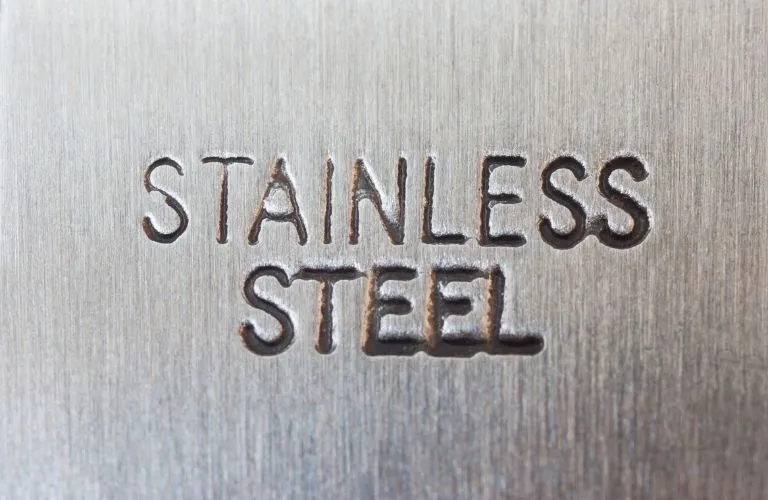
Stainless steel is a popular option for metal fabricators that contains a minimum of 10.5% chromium. This added element reacts with oxygen to create a protective layer that protects against and prevents corrosion. Variants of stainless steel may possess molybdenum that improves resistance to chlorides and other chemicals. Popular variants of stainless steel include 304, 316, and 430. Stainless steel’s resistance to corrosion and chemicals make it ideal for food-grade equipment, medical devices, marine hardware and fixtures, outdoor fixtures, and architectural features.
3. Alloy Steel
Alloy steel is steel with higher amounts of tungsten, chromium, nickel, molybdenum, and vanadium that make the steel harder, more heat resistant, and more resistant to abrasion. These characteristics of alloy steel make it ideal for use in the fabrication of high-stress mechanical parts like gears or axles, blades, drill bits, springs, and wheels. The most popular variants of alloy steel are 4140 and 4340.
4. Tool Steel
Tool steel is a type of steel with high amounts of tungsten, molybdenum, and vanadium. These additional elements make tool steel extremely hard, resistant to high temperatures, and resistance to abrasion, wear, and tear. This type of steel is used primarily for the fabrication of tools — including stamping dies, forming tools, shear blades, punches, and other custom industrial tooling. Popular varieties of tool steel are D2, O1, and A2.
READ MORE: What Factors Affect the Cost of Custom Metal Fabrication?
If you are interested in custom metal fabrication, you may have questions like — what are the best types of steel for custom metal fabrication? We hope that this detailed overview will answer your questions and help you choose the right material for your next project.
Contact P&D Metal Works today for more information about our metal fabrication processes!
